10 minutes
Read the prologue, three selected chapter cards and the “Preserve your trace” section.

Report Room / after the screening
A viewer’s artifact after encountering Prawda Sumienia — literally, Truth of Conscience.
This page does not replace the screening. It is a space after it: a way to return to the chapters, understand their meaning, separate source from interpretation and preserve your own trace through a participant document.
How to use this room
The Report Room is designed for different generations of viewers: you can read only the essential cards, or enter the full map of meaning after the screening.
Read the prologue, three selected chapter cards and the “Preserve your trace” section.
Move through all chapters, opening only the cards that stayed with you most strongly after the screening.
Read each chapter together with its boundary: what is source, what is image and what remains a moral question.
After-screening path
This room is not a knowledge test and not a survey. It gives the post-screening experience a shape: returning to the chapters, naming what remained, preserving a participant document and keeping the memory pack prepared for a specific event.
The room can be entered gradually — return to the chapters that stayed with you most strongly.
This is not a survey. This is not a test. It is a trace of what remained after encountering testimony.
The participant record is a private viewer artefact: something worth saving, printing and returning to years later.
After selected events, a Memory Pack can close the experience: a reflection card, quote card, wallpaper or material prepared specifically for participants.
The point is notto leave with an answer.
The point is not to lose the question after the screening. This room moves through the chapters slowly, without sensationalism and without turning the work into a wall of academic text.
Report · Route · Response
Prawda Sumienia does not end with a single screening. The work carries testimony through places, documents, memory and viewers. This route connects the historical report, the public presentations in Poland, the first international screening in Sydney and the question carried forward by each participant.
Testimony and source
First public presentation
Anniversary and institutional reflection
First international screening
The question carried forward after the screening
Reading method
In this room, music, image and text are not treated as effects. Each chapter shows what it refers to, what kind of visual decision it makes, where the source ends and where interpretation begins.
The historical weight of a report, place, date, number or relation.
A symbolic scene that guides attention without pretending to be an archive.
A clear separation between fact, reconstruction, compression and poetic interpretation.
What remains with the viewer: responsibility, memory, silence, choice.

Visual ethics
Scenes connected with Auschwitz are not staged as brutal spectacle because the project does not use suffering as an effect. Place, document, wire, light, silence and the trace of memory are meant to lead toward reflection, not consumption of violence.
Chapter cards
Open a card to see the chapter as a post-screening room: what is source-grounded, what is interpretive and what question remains.
Public source boundary
Each chapter combines a historical point of reference with artistic interpretation. Confirmed facts, symbolic voices and imagined inner monologues are not the same thing. This page keeps that distinction visible while remaining readable after the screening.
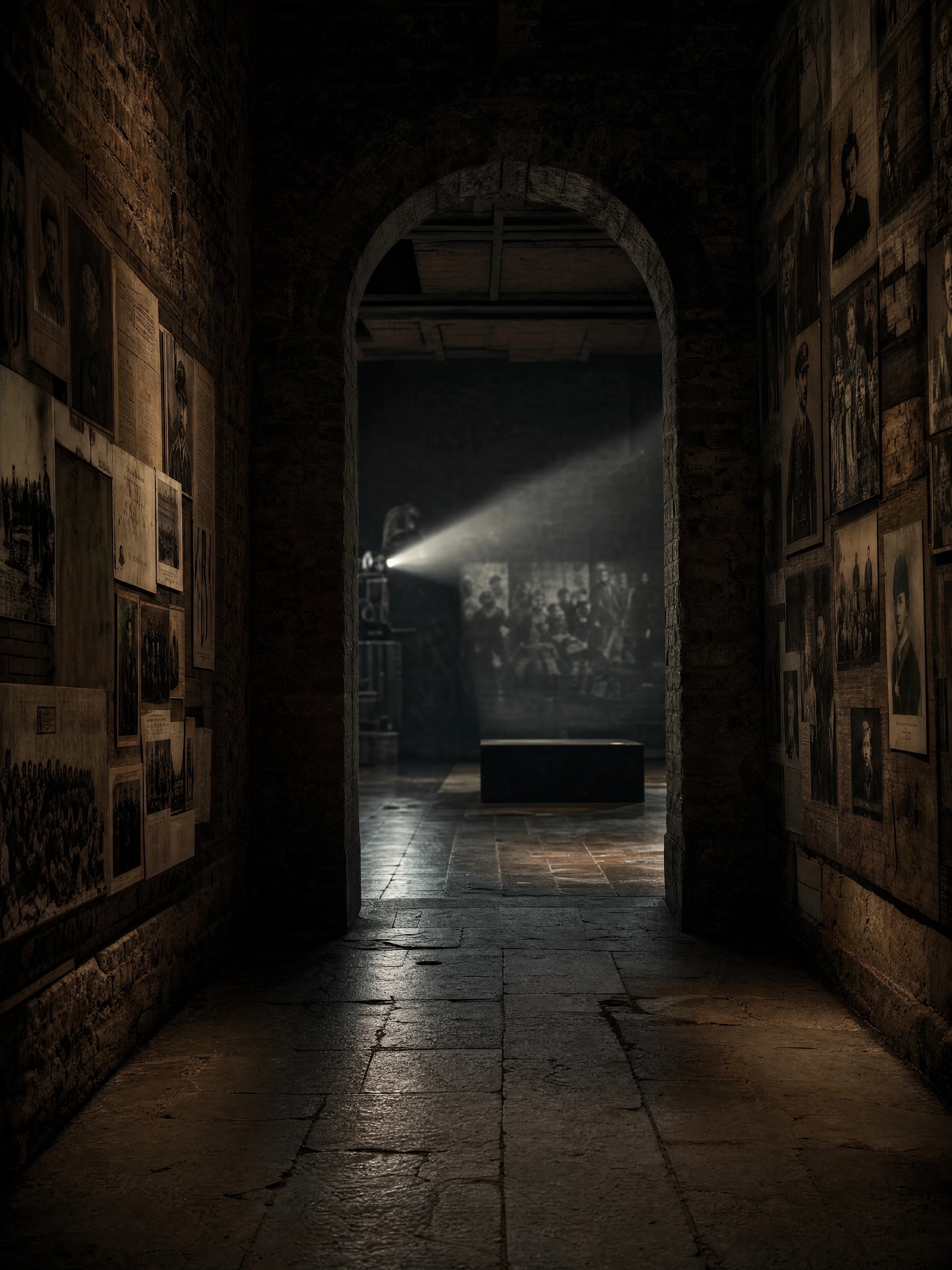
A threshold into testimony, silence and place.
Before the report becomes a document, it is first a place, a silence and a responsibility.
Layer: threshold / place-memory
Evidence status: Reflective prologue / place-memory framing
What this chapter is: The opening chapter prepares the viewer for testimony before biography. The landscape is not decoration; it functions as a symbolic witness to memory, place and human absence.
Interpretive boundary: This is not a reconstruction of a specific scene. It is a symbolic prologue that asks for attention before the story begins.
Question: What changes when a place is treated not as a background, but as a witness?

A lament for Poland before the choice.
A choral lament for a country reborn from loss and for two lives entering the same century from different moral landscapes.
Layer: lament / two biographies
Evidence status: Symbolic prologue with confirmed biographical anchors
Source basis: S13 · S06 · S15 · S22
What this chapter is: The track introduces Witold Pilecki and Józef Cyrankiewicz before they become symbols. It places them against the rebirth of Poland after partitions and the wounds inherited by the new century.
Interpretive boundary: The choral language is stylised vocal language, not a liturgical quotation, archival text or classical Latin source.
Question: Before history names people, what roads are already beginning inside them?
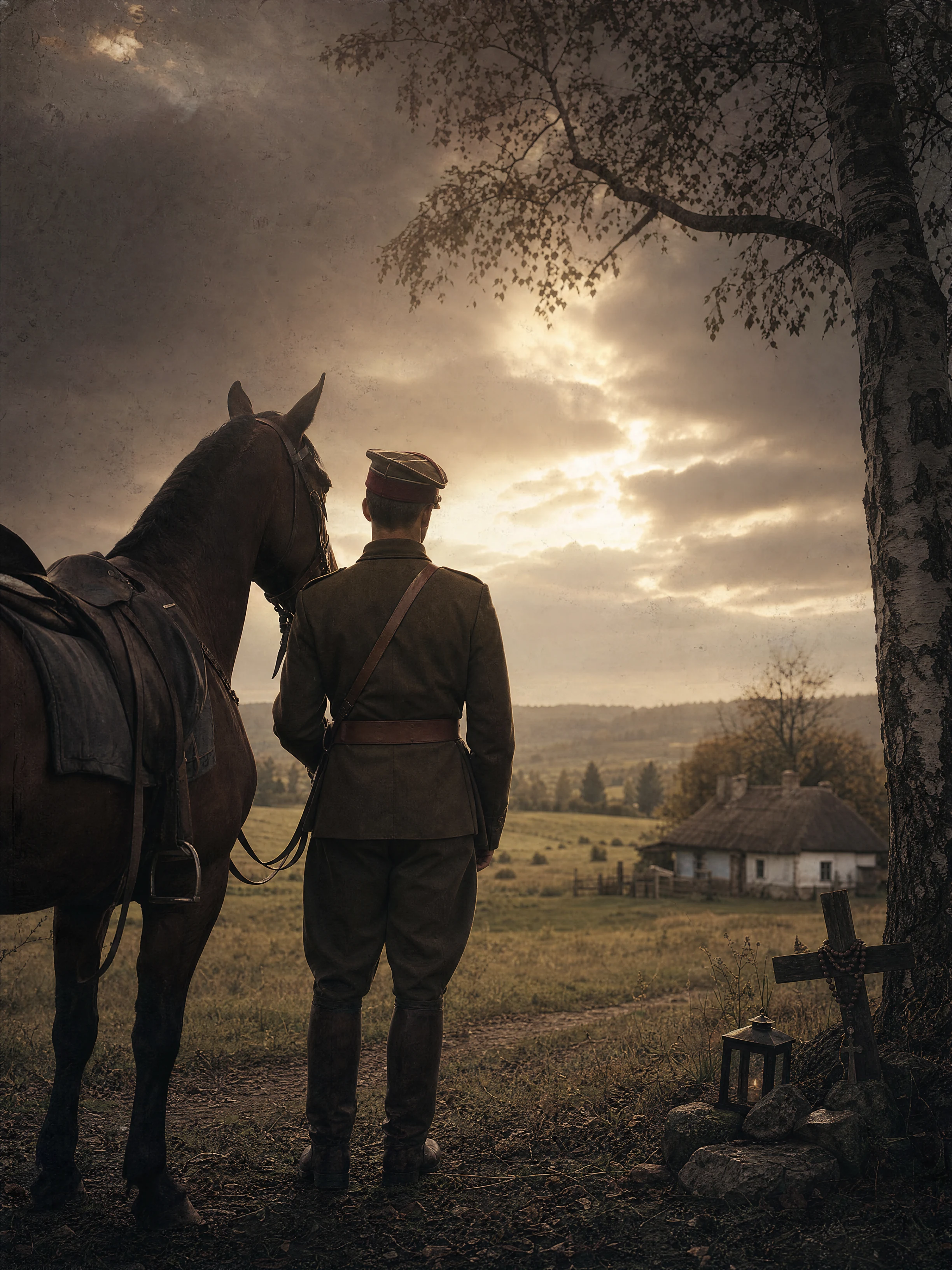
Faith. Land. Honour.
Pilecki before Auschwitz: family memory, faith, service, land and civic responsibility.
Layer: formation / values
Evidence status: Biographical evocation based on confirmed life chronology
What this chapter is: This chapter presents Cavalry Captain Witold Pilecki not as a monument, but as a man formed before the camp: husband, father, soldier, landowner and citizen. Auschwitz did not create his courage; it revealed what had already been formed.
Interpretive boundary: The chapter keeps Pilecki human, disciplined and historically situated rather than reducing him to a one-dimensional saint.
Question: What kind of formation makes conscience stronger than fear?
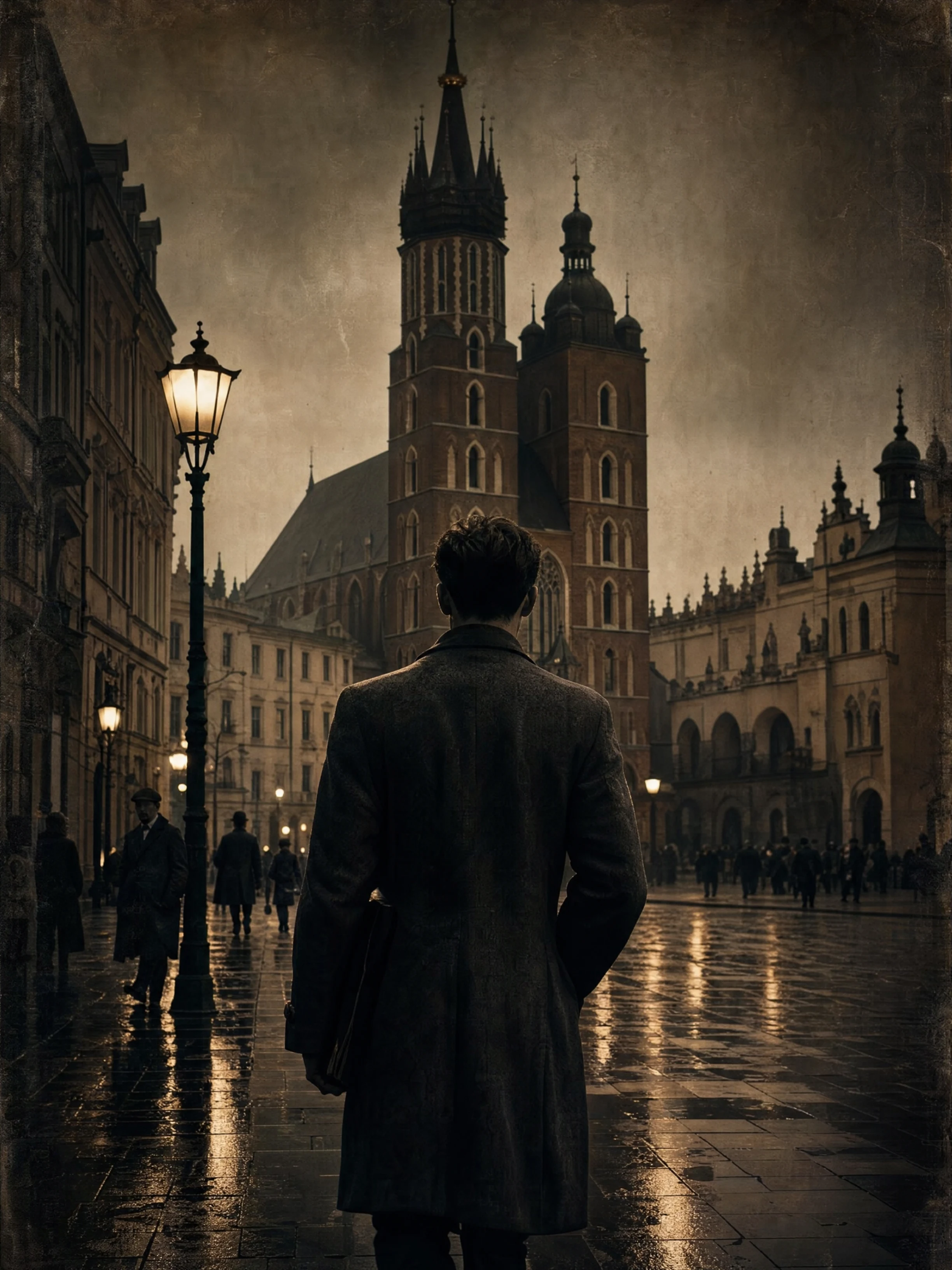
Kraków before the storm.
A younger socialist world of ideas, debate, ambition and the beginning of a different moral road.
Layer: counterpoint / ideology
Evidence status: Historical-moral counterpoint with political context
What this chapter is: The chapter introduces Józef Cyrankiewicz before the war as a morally complicated counterpoint. It acknowledges early ideals before later camp experience, power and silence test them.
Interpretive boundary: The chapter distinguishes prewar Polish socialism from the later Soviet-dependent communist system.
Question: What happens when an idea survives, but conscience changes its price?
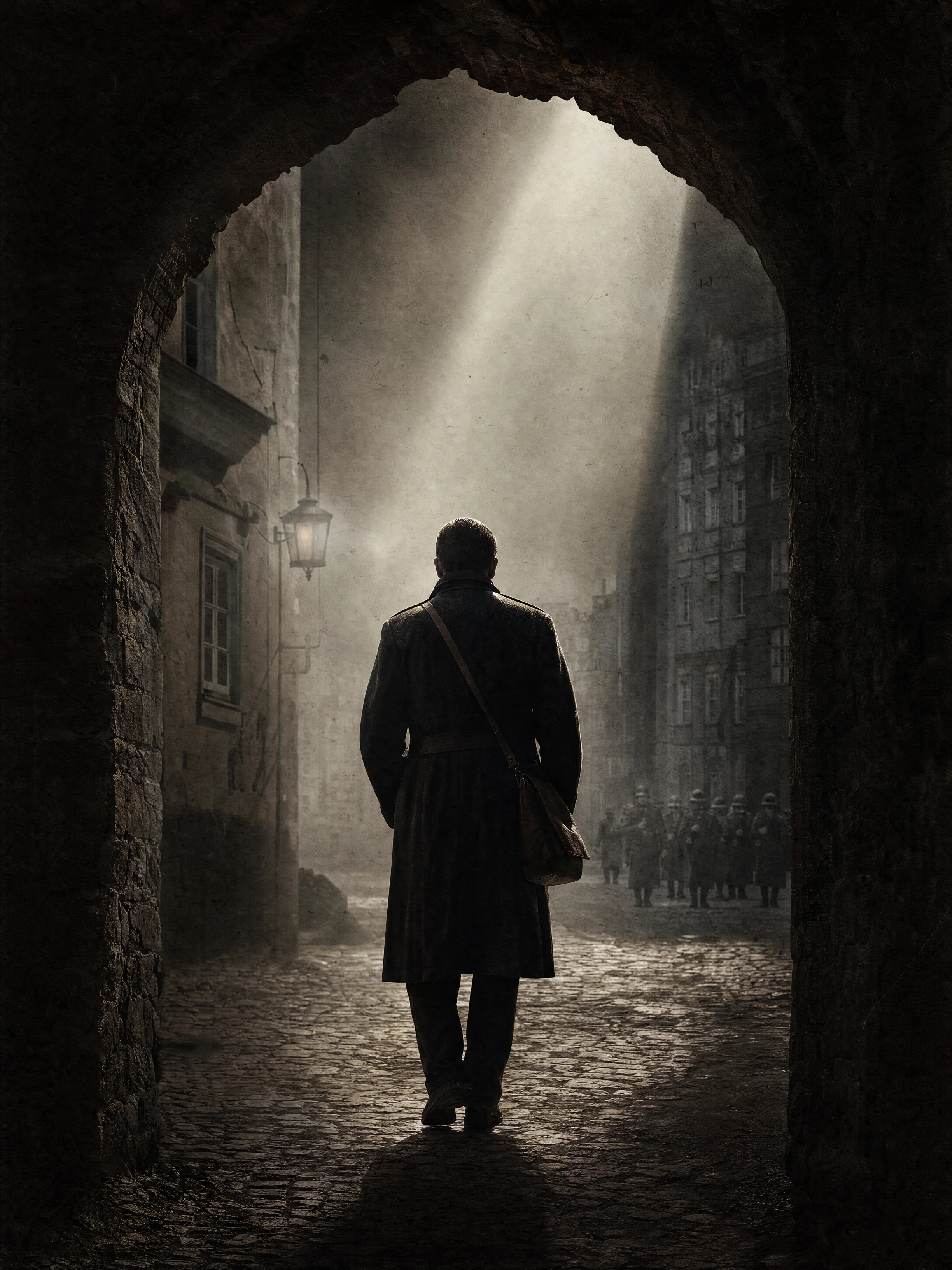
Warsaw, September 1940.
Pilecki accepts an underground mission to enter KL Auschwitz, gather information and organize resistance.
Layer: mission / decision
Evidence status: Confirmed mission and arrest under false identity
Source basis: S01 · S02 · S03 · S21 · S20
What this chapter is: With the approval of his underground superiors, Pilecki deliberately allowed himself to be caught in a German roundup under the false identity Tomasz Serafiński so that he could be sent to KL Auschwitz.
Interpretive boundary: The chapter does not present imprisonment as a personal wish. It frames the decision as an intelligence, organizational and moral mission.
Question: What does courage look like when it is disciplined, not theatrical?
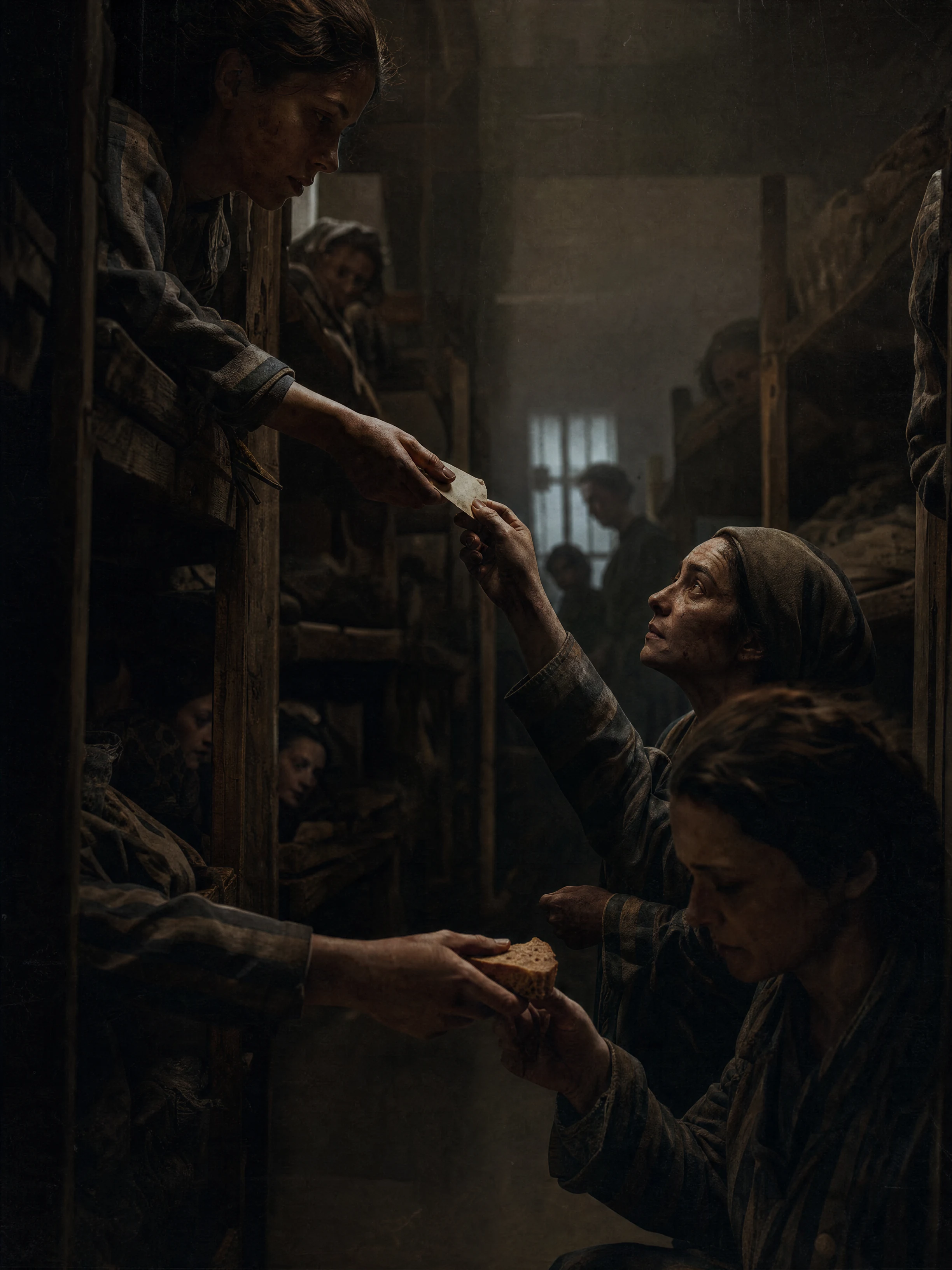
OW inside KL Auschwitz.
Resistance without uniforms: bread, names, information, morale and trust under camp conditions.
Layer: clandestine resistance / OW
Evidence status: Confirmed camp resistance terminology with project safeguard
What this chapter is: The chapter explains OW — Organizacja Wojskowa / Military Organization — as the project terminology for Pilecki’s clandestine network inside KL Auschwitz. Its strength lay in cells, help, communication and hope.
Interpretive boundary: The chapter presents OW as a clandestine camp network of help, communication, morale and resistance, not as a free-operating military unit inside the camp.
Question: Can resistance survive as information, bread and trust?
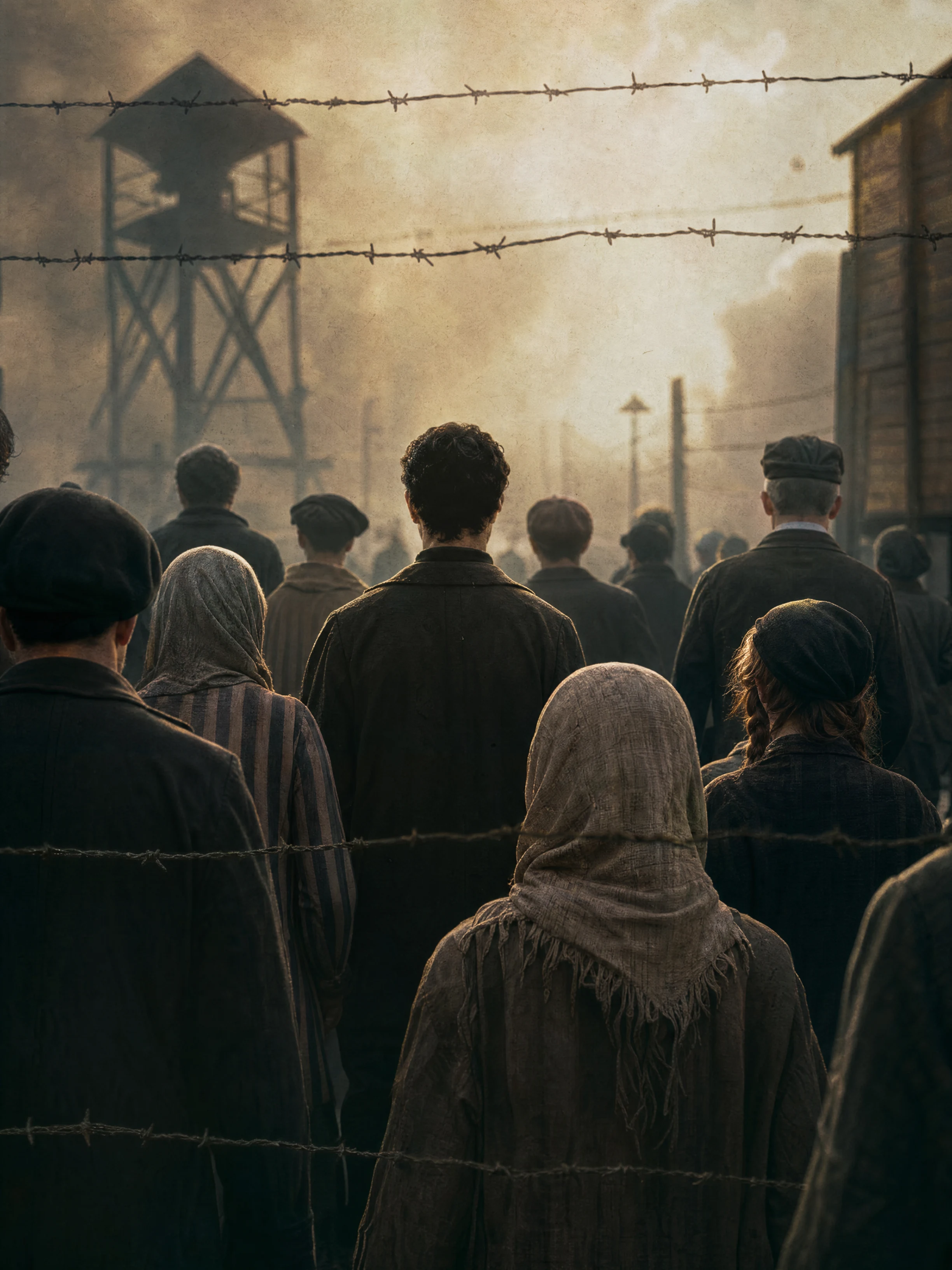
Different prisoners, different hopes, one camp reality.
The same wire did not mean the same fate.
Layer: camp reality / distinction
Evidence status: Contextual Auschwitz history with victim-group precision
Source basis: S08 · S09 · S10 · S11 · S19
What this chapter is: This chapter resists a simplified image of Auschwitz. It asks the viewer to see shared captivity while preserving distinctions between prisoner groups, identities, survival strategies and historical fates.
Interpretive boundary: The chapter preserves differences between prisoner groups, identities and historical fates. Shared captivity is shown without comparisons that diminish the Nazi genocide of the Jews.
Question: How can one camp reality contain different fates without erasing any of them?
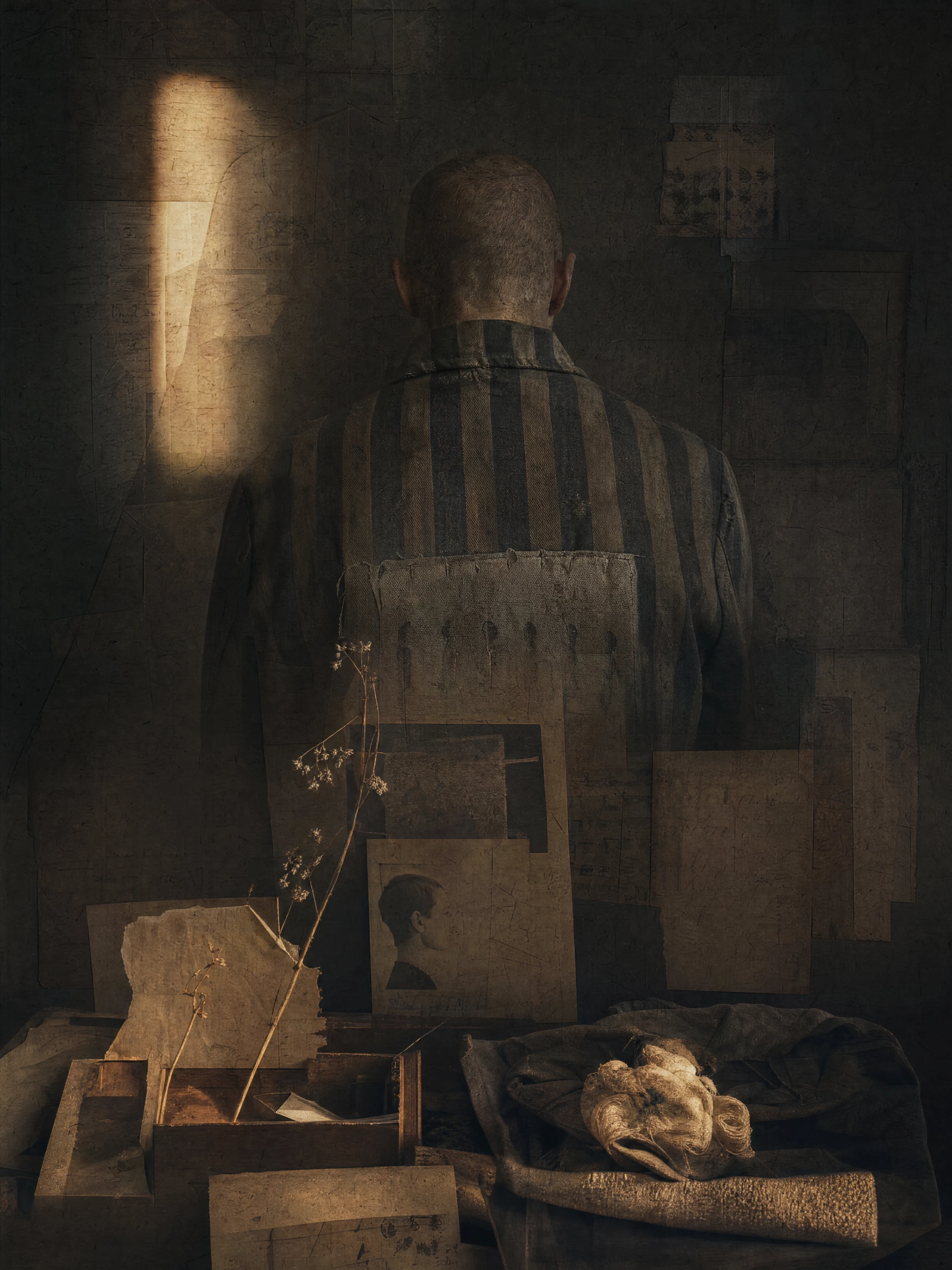
A note without a name.
A number, clandestine notes, memory and the private self that cannot fit into a report.
Layer: number / symbolic voice
Evidence status: Confirmed prisoner data; symbolic inner voice
Source basis: S06 · S16 · S11 · S15
What this chapter is: Cyrankiewicz’s prisoner number and arrival in Auschwitz are historically confirmed. The track draws on the atmosphere of clandestine notes while using Nina as a symbolic figure of conscience, memory and lost tenderness.
Interpretive boundary: Nina remains a symbolic figure rather than a documented historical person. Inner monologue is treated as artistic interpretation unless verified as quotation.
Question: What part of a person survives only as memory?
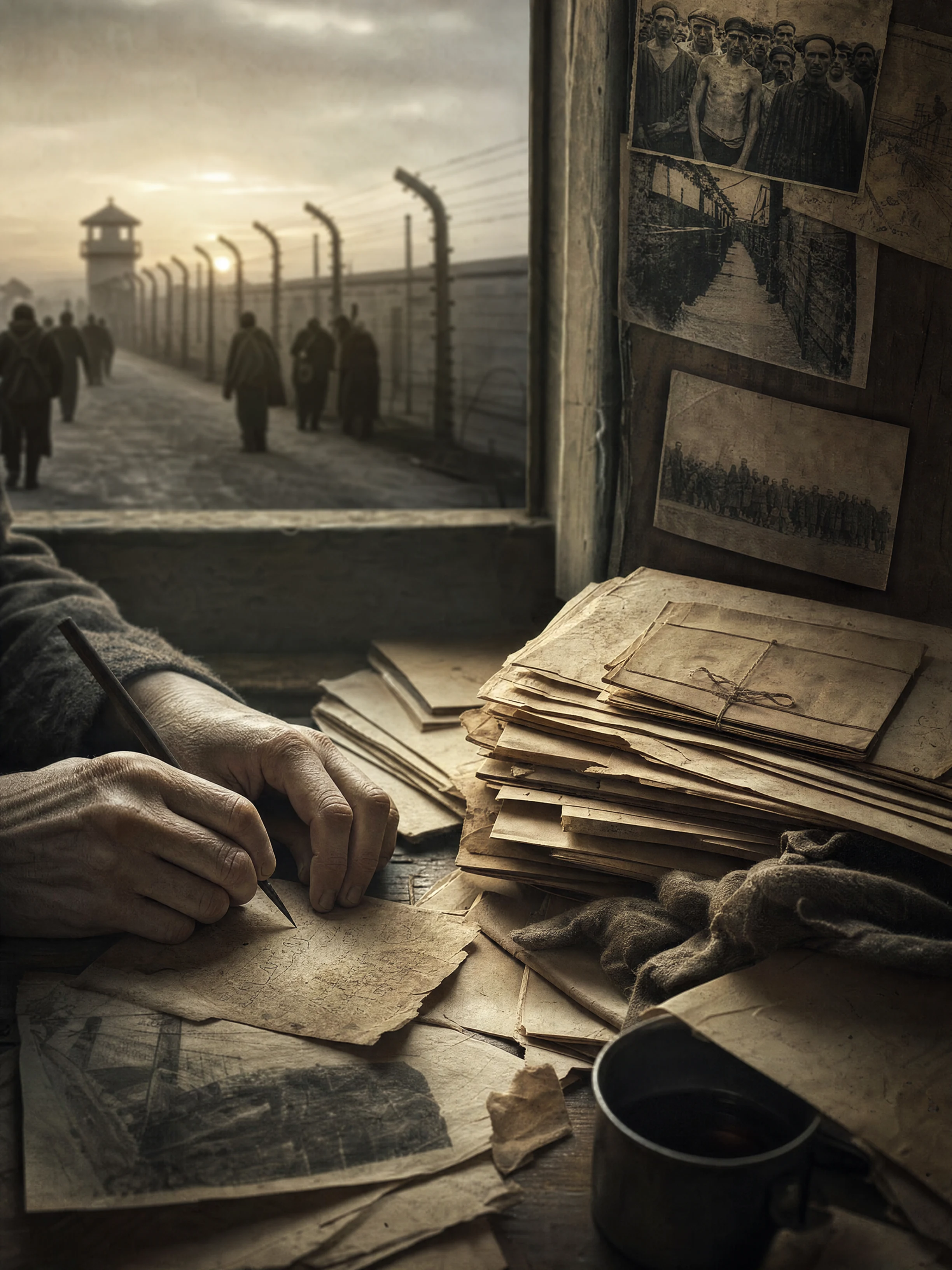
The truth had to leave the camp.
Names, transports, hunger, executions, organized murder and the duty to make the outside world understand.
Layer: testimony / intelligence
Evidence status: Pilecki reports, external transmission and cautious reception history
Source basis: S01 · S02 · S03 · S05 · S12
What this chapter is: This chapter is built around evidence: Pilecki’s reporting, clandestine transmission, names, facts and warnings. The report had to leave the camp because truth locked inside the camp could not act.
Interpretive boundary: The chapter treats the movement of information with restraint. It shows that testimony reached external channels, while the response remained tragically limited and historically complex.
Question: What happens when truth leaves a place, but is still not truly heard?
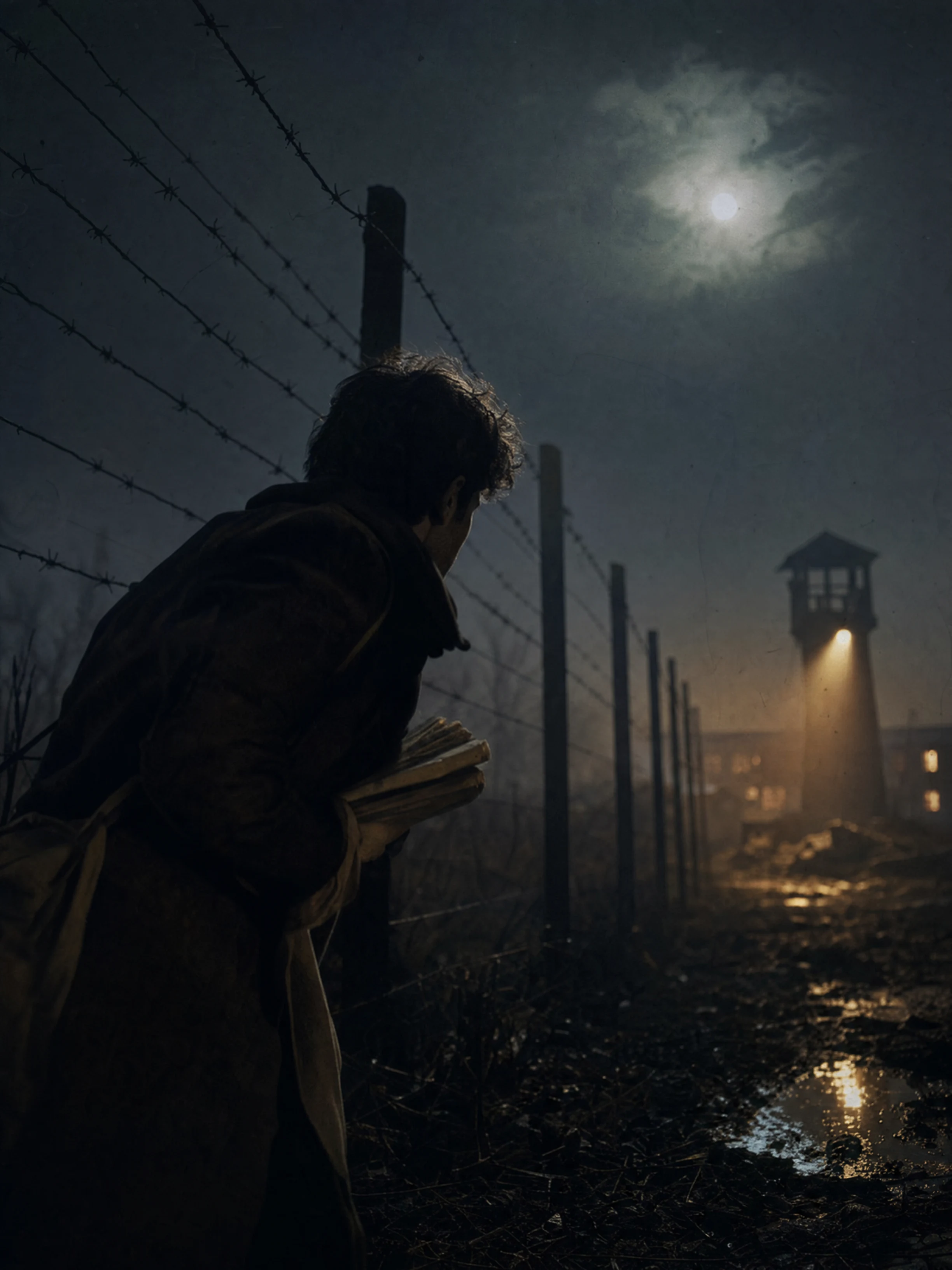
The report had to survive.
Pilecki, Jan Redzej and Edward Ciesielski leave Auschwitz so the testimony can continue outside the wire.
Layer: escape / continuation
Evidence status: Confirmed collective escape
What this chapter is: The escape is not an action sequence. It is the continuation of testimony. Outside the camp, the experience gathered inside could be written, transmitted and carried forward.
Interpretive boundary: The escape is presented as a collective, dangerous act inseparable from the duty to report, rather than as a solitary legend or cinematic rescue.
Question: What does escape mean when testimony is carried beyond the camp?
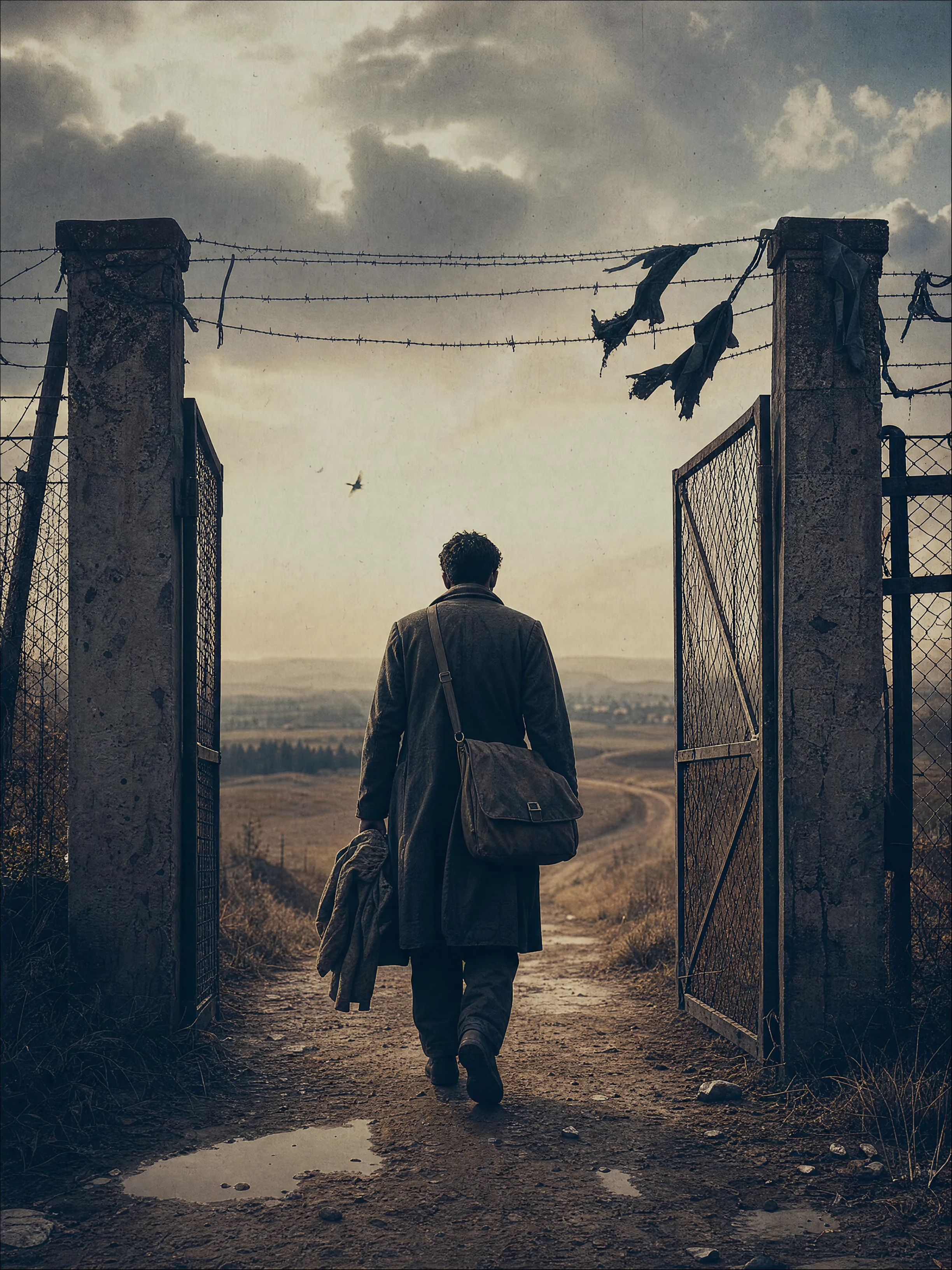
Freedom was not peace.
The wire is behind Pilecki, but Auschwitz has not ended inside him.
Layer: burden / witness
Evidence status: Post-escape reporting and burden of testimony
Source basis: S01 · S02 · S03 · S05
What this chapter is: After the escape, freedom becomes the beginning of writing, remembering and carrying evidence. Pilecki transforms lived experience into the language of report.
Interpretive boundary: Stylised letters and intimate inner scenes remain artistic interpretation unless a source verifies the words as quotation.
Question: Can someone leave a camp and still remain responsible for what was seen there?
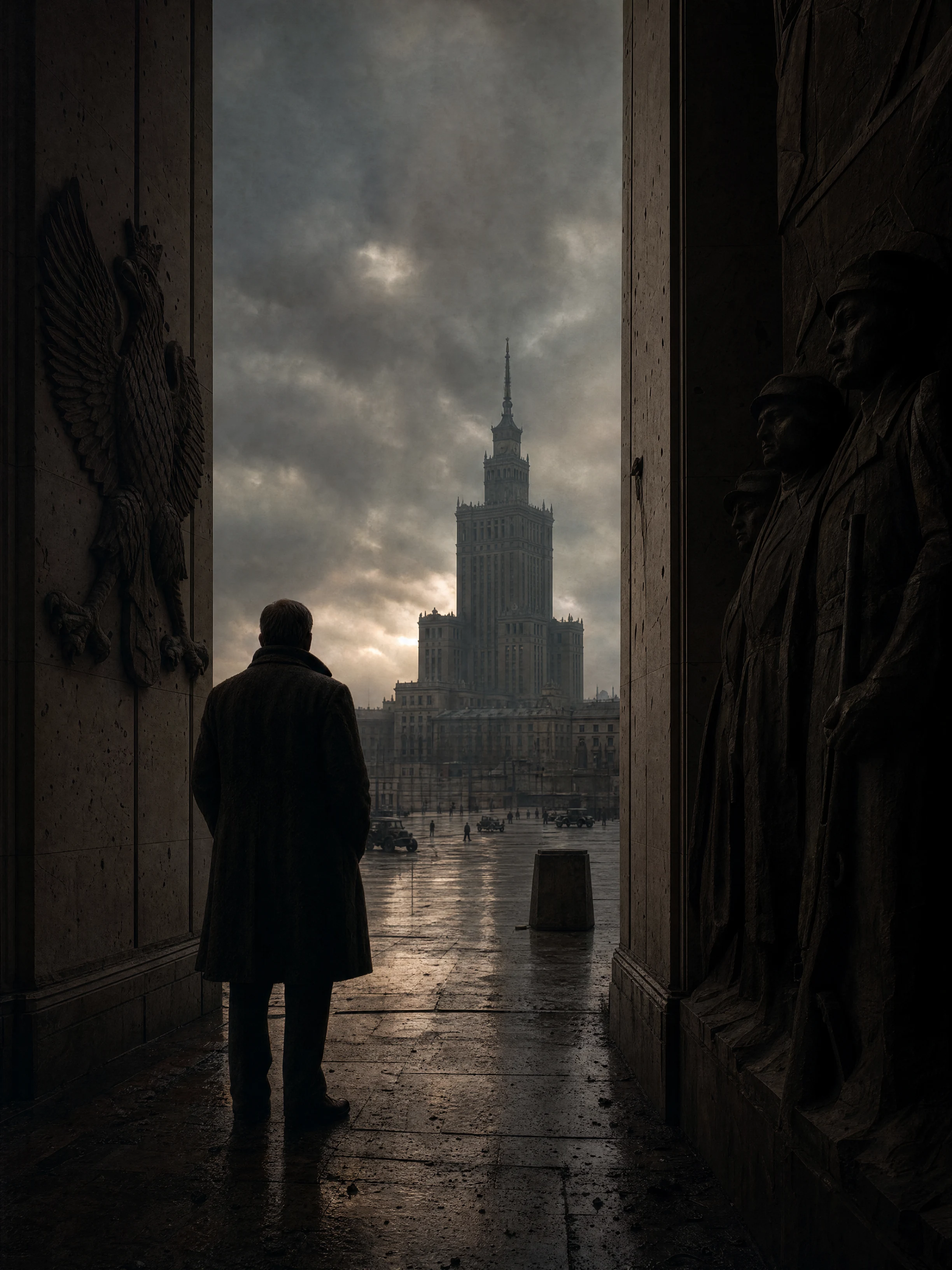
The war ended. The fear did not.
The end of German occupation did not bring full sovereignty or safety for independent witnesses.
Layer: postwar pressure / silence
Evidence status: Postwar Soviet-dominated Poland and intelligence mission
Source basis: S03 · S04 · S14 · S21
What this chapter is: The chapter moves from Nazi occupation to communist-controlled Poland. It asks what happens when the witness returns with truth, but the new political order has no place for that truth.
Interpretive boundary: The chapter places 1945 within the Soviet-dominated postwar reality rather than describing liberation as a simple or complete condition.
Question: What does peace mean when fear changes uniform but not function?
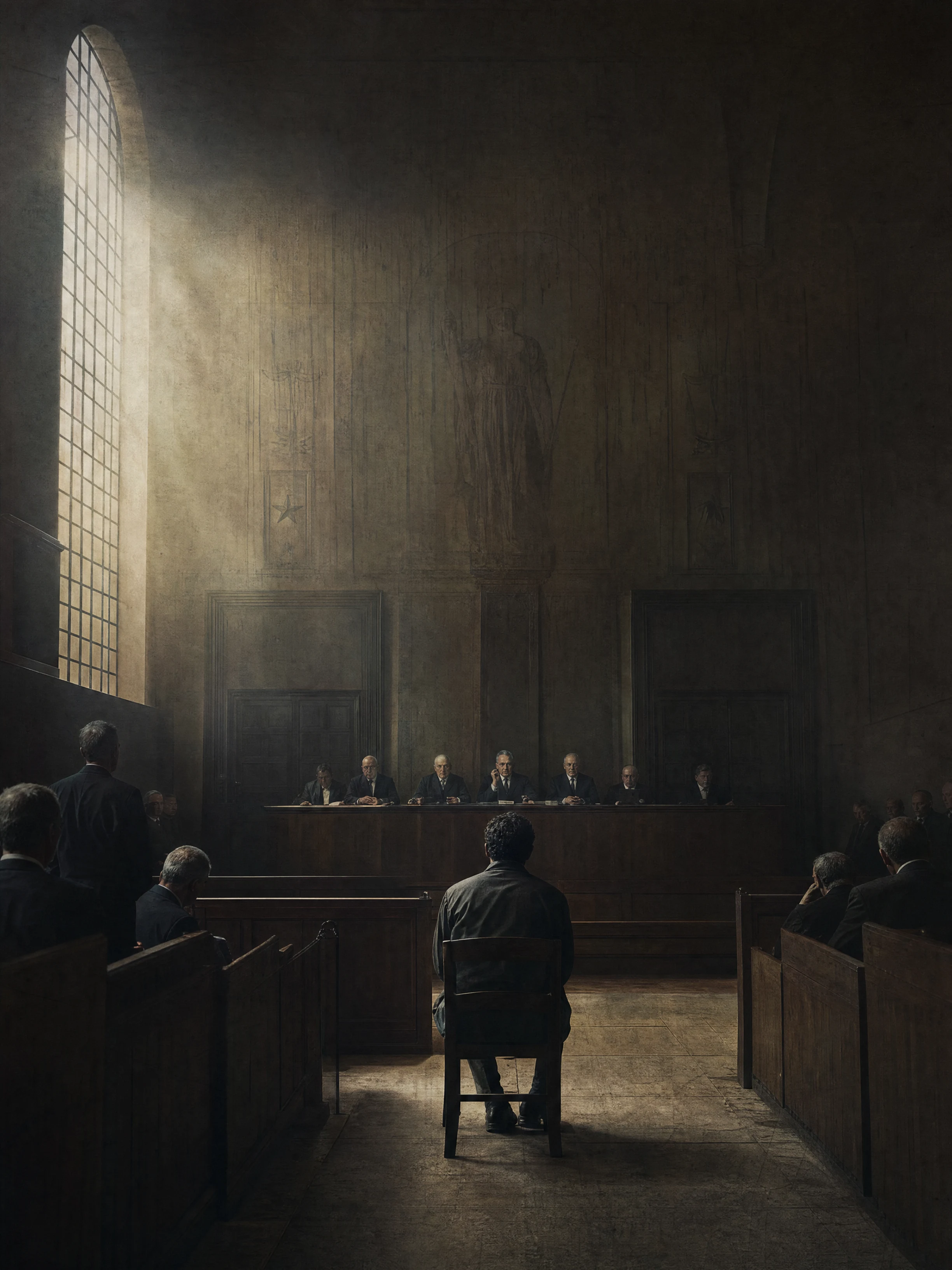
Warsaw, 1948.
The courtroom becomes a place where the state attempts to turn a witness into a criminal.
Layer: trial / repression
Evidence status: Confirmed communist trial and execution
What this chapter is: The chapter presents Pilecki’s communist trial and execution not only as a case against a man, but as an attempt to criminalize testimony itself.
Interpretive boundary: The legal setting is identified as the communist Military Regional Court in Warsaw. Procedural detail is limited to what the sources support.
Question: Can a state kill a witness without killing the testimony?
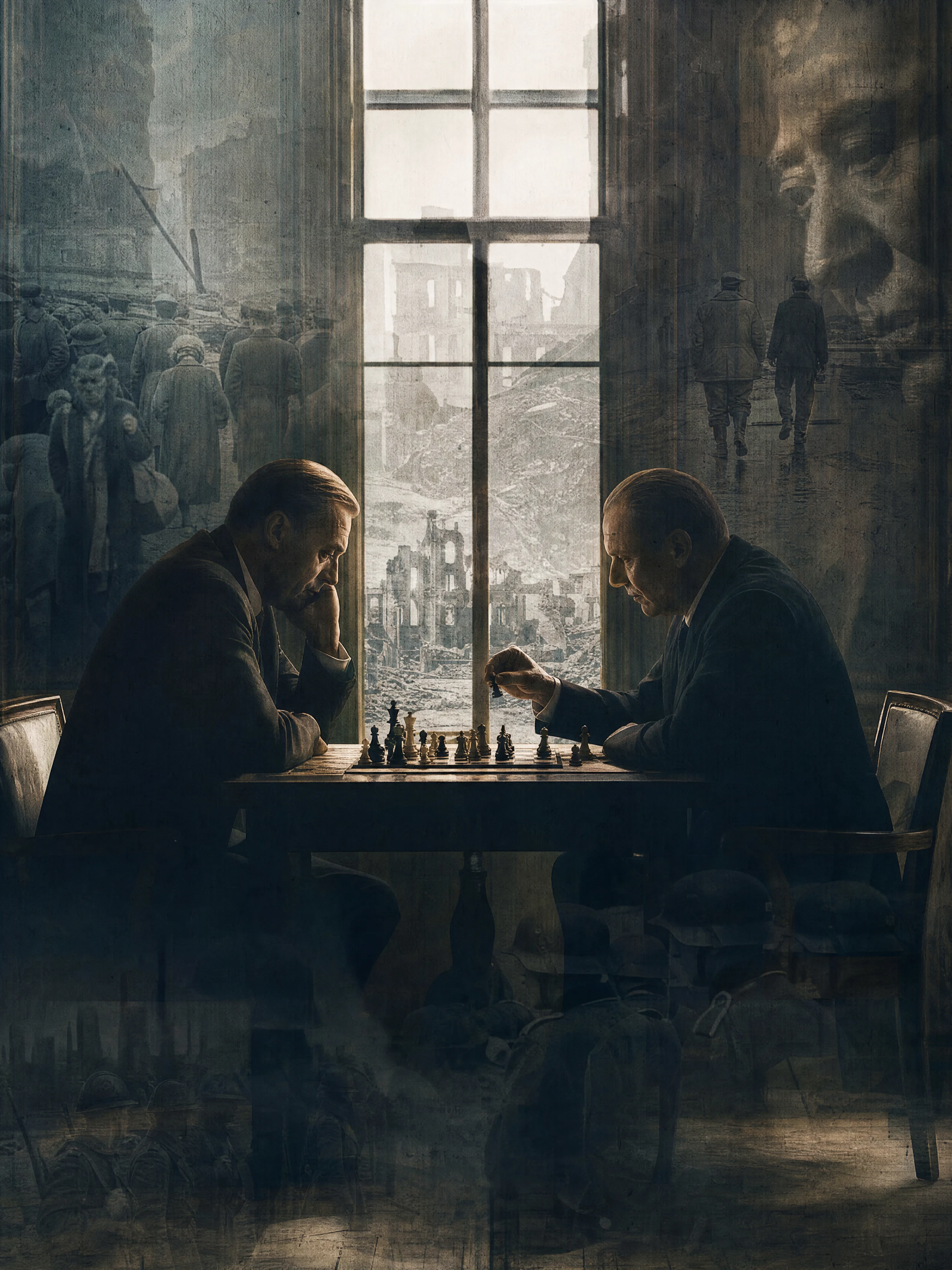
A confession without absolution.
An imagined inner confession inspired by Cyrankiewicz: survival, compromise and silence without easy absolution.
Layer: psychological portrait / interpretation
Evidence status: Imagined psychological portrait; not a historical confession
What this chapter is: This is not a factual confession. It is an interpretive portrait of regret, survival and power around a historically confirmed prisoner and later communist politician.
Interpretive boundary: The chapter uses artistic interpretation to explore regret, survival and power around Cyrankiewicz. It does not treat imagined private motives as historical evidence or reduce him to a caricature.
Question: What remains of a person when survival becomes compromise?
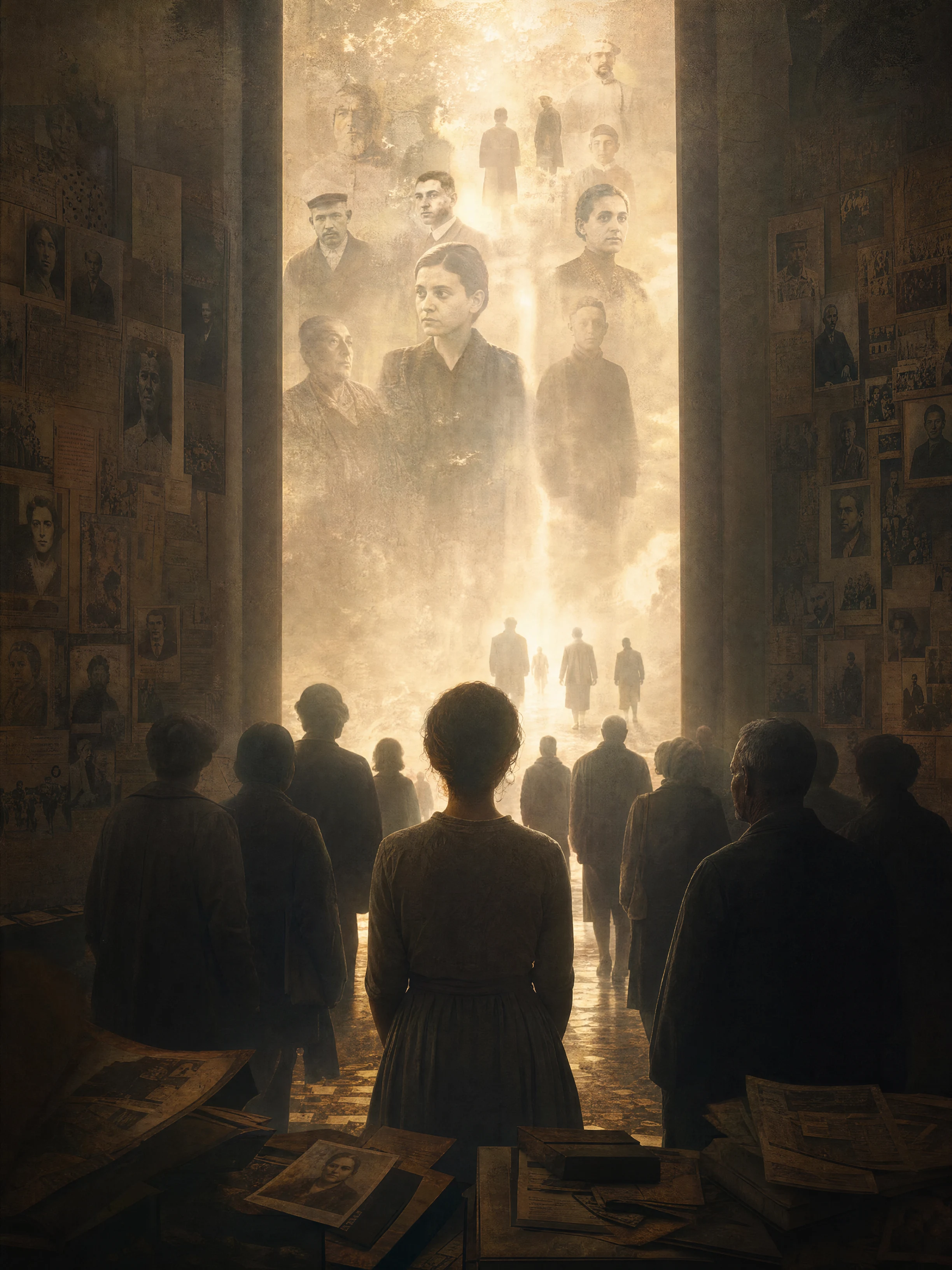
Memory becomes freedom.
Light returns, but not as forgetting. Freedom becomes responsibility for memory.
Layer: epilogue / memory
Evidence status: Reflective epilogue with Polish state-symbol context
What this chapter is: The chapter opens toward light without turning tragedy into triumphalism. The report has ended, but the obligation to remember remains.
Interpretive boundary: Forgiveness here means neither forgetting, excusing nor minimizing crimes. It is the refusal to make hatred the final inheritance.
Question: What kind of freedom is built by carrying memory truthfully?

The question now belongs to us.
After the historical report comes the report of conscience.
Layer: direct address / moral conclusion
Evidence status: Moral conclusion grounded in previous historical testimony
Source basis: S01 · S02 · S03 · S07 · S14
What this chapter is: The final chapter turns the work toward the viewer. “Report” becomes a moral metaphor: the record left by choices, silence, courage, looking away, helping, remembering or refusing to remember.
Interpretive boundary: The phrase “everyone has a report” refers to choices, silence and responsibility. It does not relativize historical truth, which remains the project’s foundation.
Question: History has given its testimony. What will conscience give now?
Sources and interpretation
The work is inspired by the reports of Witold Pilecki, the history of KL Auschwitz, the context of occupation and postwar repression, and a responsible relationship with memory. At the same time, symbolic voices, cinematic images and narrative compression remain artistic interpretation.
A report, biography, number, place or confirmed historical context.
A cinematic image, symbol, narrative compression or imagined moral scene.
The image does not replace the archive. It helps memory; it does not pretend to be proof.
The source codes shown inside the chapter cards point to this register. Tap any S01–S22 seal to open the source record, or open B01–B11 for the printed and scholarly bibliography behind the project.
The source codes shown inside the chapter cards point to this register. It is a compact public map of the historical companion: institutions, primary editions, databases and educational materials used to protect the historical layer of the project.
This second block complements the online source register with primary editions, books and scholarly references used as the deeper historical basis of the project.
Preserve the trace
After the screening, the page gives reflection a simple form: name the trace, preserve participation, keep the material and know that the content remains on the viewer’s side.
There is no single correct answer. The point is a responsible conversation after encountering testimony.
The document is designed as something worth saving, printing and returning to years later.
A reflection card, quote card, wallpaper or event material can help preserve memory without turning it into an ordinary download.
The entered text and documents are created locally in the browser. Your data stays on the viewer’s side and is not sent to or stored on a server.
After the Report Room
The Report Room is not the end of the work. It is a place to return to the questions opened by the screening. Institutions, educators, cultural organisers and viewers may continue the conversation through screenings, Q&A, educational context or project correspondence.
Authorial companion
This companion guide is an authorial post-screening material connected with Rap-Ort: Prawda Sumienia. Source links, public references and event contexts are provided for orientation and do not imply endorsement, patronage, curatorial approval or formal partnership unless explicitly stated.
After leaving the room
What remains after the screening may be a quiet question rather than a grand statement. Sometimes it is a question that can no longer be put away.
History has given its testimony.Now conscience gives its own.